
In December 2020, Peloton was riding high. With gyms closed and the world stuck at home, its connected fitness bikes became the status symbol of the pandemic. The company’s valuation soared to $55 billion.
But just three years later, that number had shriveled to $2 billion. Some dismissed it as bad luck, pandemic demand evaporating, but the story is deeper. The collapse wasn’t inevitable. It was driven by leadership choices.
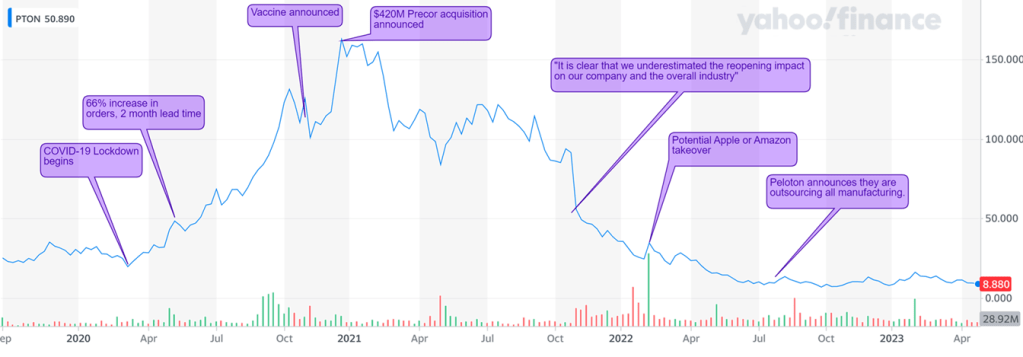
How does a company with a world-class product, a passionate community, and a purpose-driven brand crash so hard, so fast?
Peloton’s fall is a case study in what happens when leaders lose track of their Infinite Goal. Drunk on success, they invested too heavily in manufacturing, ignored contrary signals, and paid attention only to excitement-confirming ones. The result was a classic bullwhip effect. Had they kept their Infinite Goal as the lens for decision-making, they might have applied different techniques to stay grounded.
Each of the following sections unpacks this lesson in detail.
The Infinite Goal That Built Peloton
Peloton began with a powerful purpose. Founder John Foley wasn’t selling bikes, he was selling a new way of life. In their 2019 IPO filing, Peloton declared:
“We believe physical activity is fundamental to a healthy and happy life. Our ambition is to empower people to improve their lives through fitness. We are a technology company that meshes the physical and digital worlds to create a completely new, immersive, and connected fitness experience.”
This wasn’t just marketing. From the Kickstarter campaign in 2013, to the NYC studio buzzing with fans, to the instructors who became celebrities, Peloton’s Infinite Goal, improving lives through fitness, shaped everything.
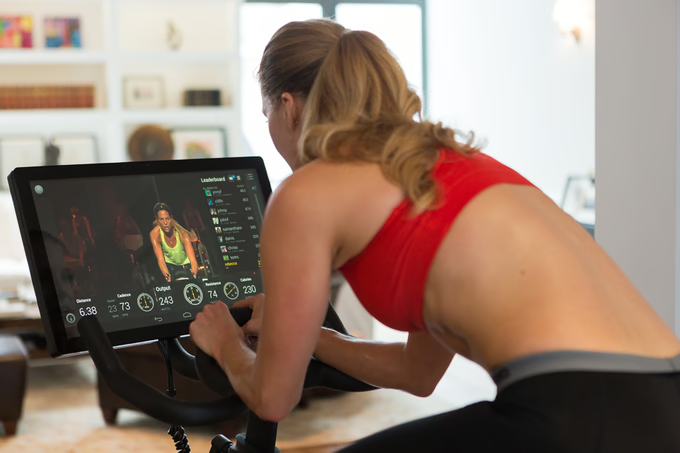
By 2019, they had sold nearly 600,000 bikes and treadmills, raised over $1 billion in their IPO, and built a tribe of diehards who didn’t just ride, they evangelized. Fans traveled from across the country to attend live classes in New York, treating instructors like rock stars.

Leadership Lesson: Purpose is more than inspiration. It’s a compass. Peloton’s early success came because they were relentlessly guided by their Infinite Goal. And their downfall started when they lost track of this Infinite Goal.
From Infinite Goal to Finite Fantasy
Then the pandemic hit. Demand surged overnight. Gyms closed, and suddenly Peloton wasn’t just fitness, it was survival. Orders exploded. Subscriptions doubled. Customers paid in full, only to wait months for delivery. Backlogs stretched for weeks, sometimes months, as customers vented their frustration online.
In May 2020, at the height of this frenzy, CEO John Foley gave Time Magazine a new vision:
“I see a couple hundred million people on the Peloton platform in 15 years.”

It was a subtle but profound shift. Peloton’s Infinite Goal had been about empowering lives through fitness. Now the metric wasn’t impact, it was scale.
The problem? Peloton’s own filings, less than a year earlier, had sized its Total Addressable Market at just 14 million connected fitness products, with only 12 million in the U.S. The leap from 577,000 units sold to “a couple hundred million” wasn’t ambition. It was fantasy.
I understand the excitement that comes from connected fitness.
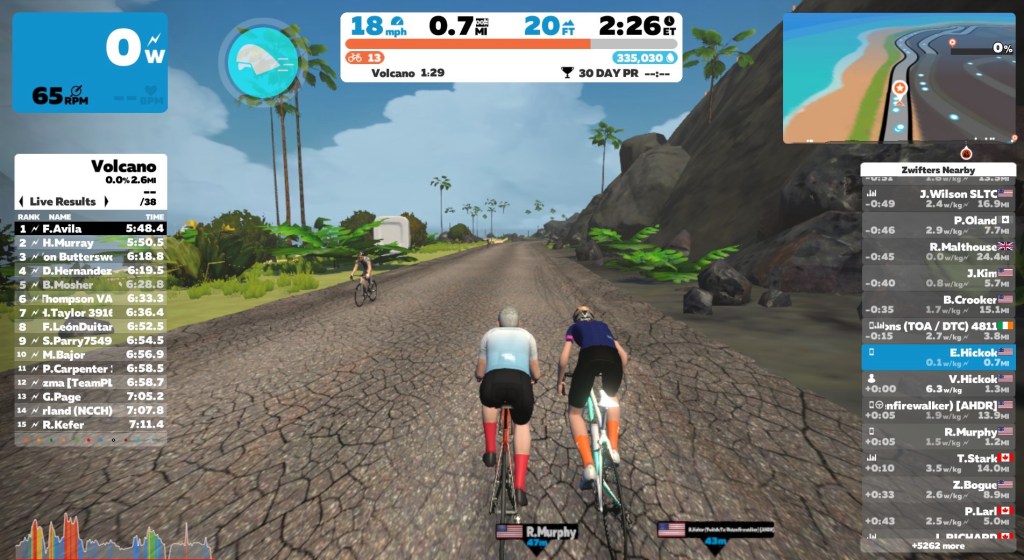
Around this same time, I started riding on Zwift. I connected my bike to a trainer and rode through a simulated world where resistance changed with the terrain. I could join a race any day of the week, get a solid workout, and never worry about weather or gym closures. My five-year-old daughter even joined me. I propped her training wheels on books, added a $20 Bluetooth sensor to her back wheel, and suddenly her avatar was riding alongside mine in the virtual world. It was magical, motivating, and incredibly convenient. I briefly considered buying a Peloton, and in hindsight, I’m very glad I didn’t. The excitement was real, but it wasn’t permanent.
Leadership Lesson: Losing the Infinite Goal warped decision-making. Leaders stopped asking, “How do we empower more people through fitness?” and started asking, “How do we deliver 200 million bikes?”
Drunk on Success: The Bullwhip Effect
At first, the surge felt intoxicating. Sales were up 66%. Subscriptions nearly doubled.
You build a product hoping people like it as much as you do. And suddenly the problem wasn’t demand, it was supply.
Customers were paying in full with a promise of delivery in 3-5 weeks. The lead time was over two months for delivery, refreshing tracking pages daily.
In the midst of this, Peloton were still advertising.
They ran a 90-day free trial in May 2020 when they were completely out of stock. They spent $4M on this campaign, stoking demand while their shelves were empty.
“Within 12 hours, we had through text and email created a chain of ‘we should do this 90-day free trial.’ There wasn’t one person in Peloton senior leadership or on the board that flinched. Everyone said absolutely. Give it away.” — John Foley to Time Magazine, May 2020
Stores couldn’t keep toilet paper on the shelves in 2020. I don’t think Charmin was doubling down on advertising in that time period. I find it striking “there wasn’t one person in Peloton senior leadership that flinched.” If you find this on your team, assign a Devil’s Advocate to ensure you are looking at the idea from all sides.
Peloton then made another poor, much larger decision: go all-in on manufacturing. In just six months, they bet $820 million on expanding capacity:
- $420M to acquires Precor (Dec 2020)

- $400M to build Peloton Output Park in Ohio May 2021)
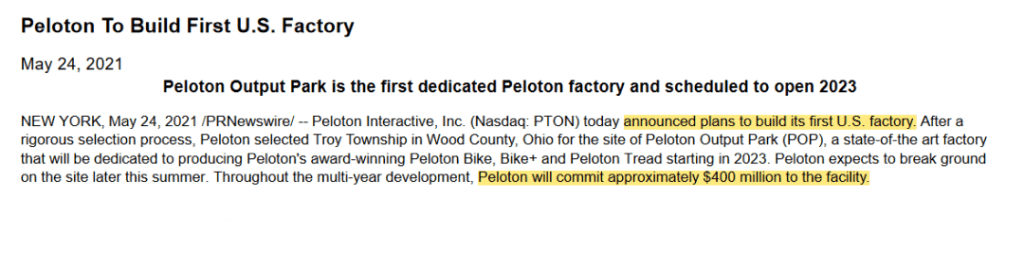
It was a breathtaking gamble, doubling down on exponential growth as if the pandemic boom would last forever.
But by the time construction began, demand was already cooling. Gyms were reopening. The used Peloton market was glutted. By mid-2022, Peloton had 500 days of inventory on hand, warehouses stacked with unsold bikes and treadmills. They could shut their factories down for 500 days without running out of stock.
One employee described it bluntly:
“A gigantic jigsaw puzzle, just moving things around to try to fit another bike in there.”
This is the textbook Bullwhip Effect: a short-term demand spike amplified into massive overproduction.
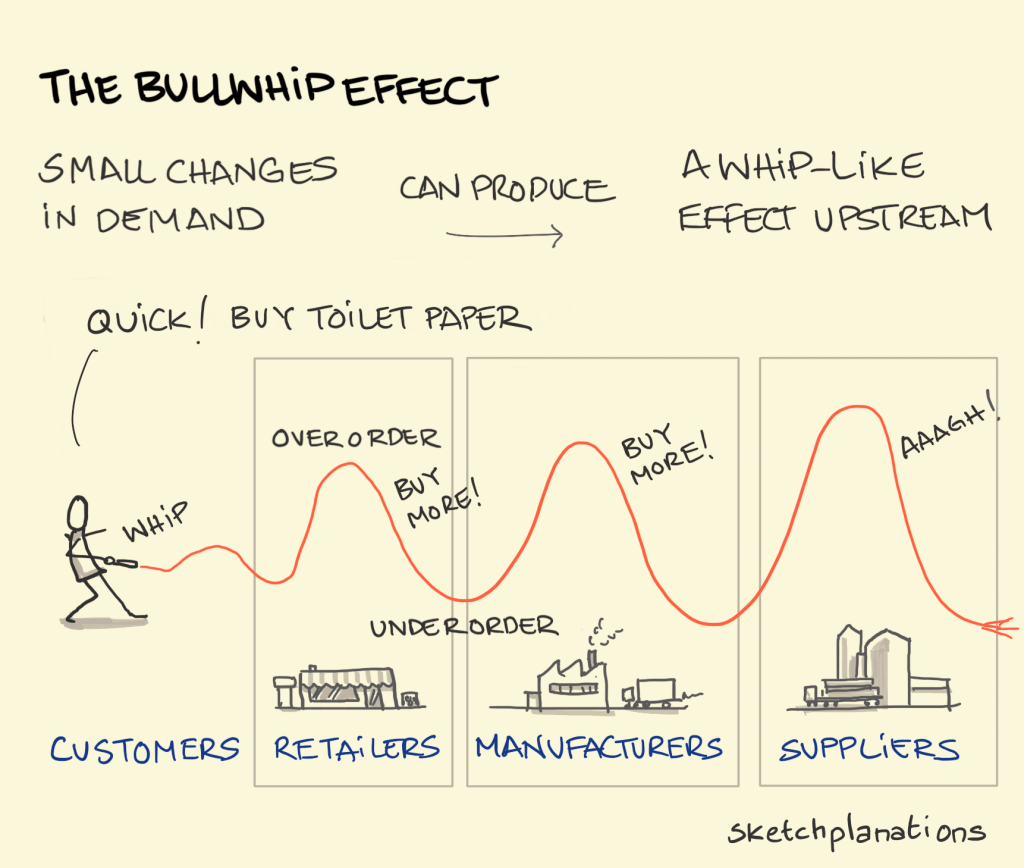
Leadership Lesson: Success intoxicates. Without the Infinite Goal as a check, Peloton mistook a temporary surge for a permanent trend. The same thing happened with Sonos.
Ignoring Contrary Signals
What makes Peloton’s collapse so striking isn’t just the size of the fall, it’s how many warnings they ignored. Instead of balancing optimism with caution, they focused only on excitement-confirming signals.
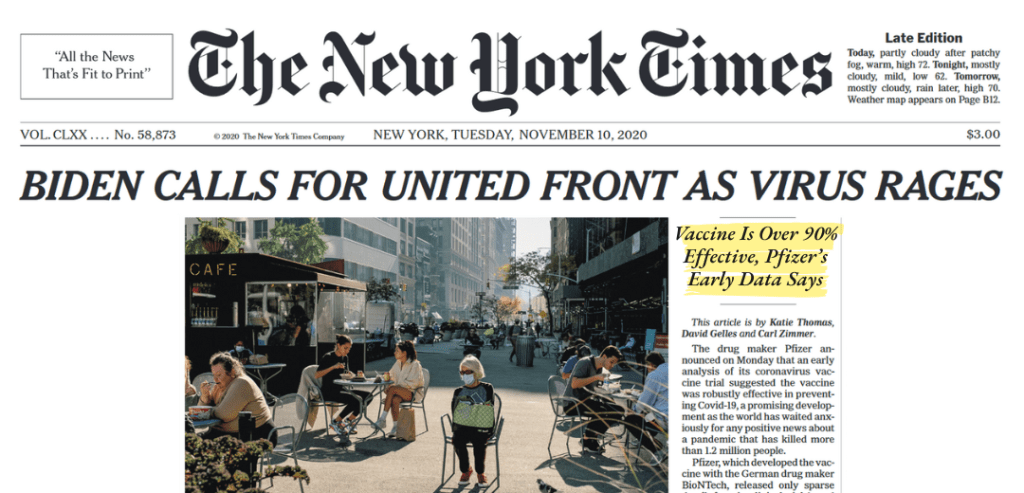
- Market Signals. On Nov 10, 2020, Pfizer announced a vaccine that would reopen gyms. Peloton’s stock dropped 20% overnight. A month later, they spent $420M on Precor.
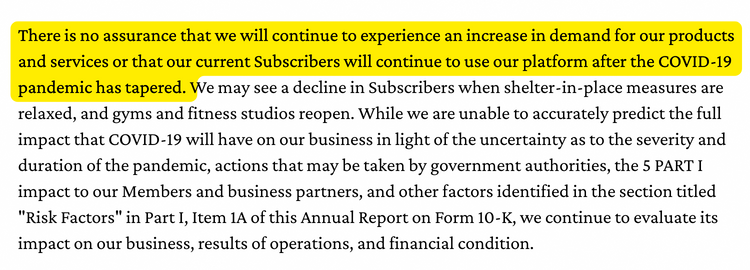
- Data Signals. Their own 2020 Annual Report warned that demand might collapse post-pandemic. Leadership invested as if it would last forever.
- PR Signals. From the infamous “Peloton Wife” ad backlash in 2019, which knocked 9% off the stock, to treadmill recalls, to fictional TV characters dying mid-ride in late 2021, Peloton saw its share price whiplash repeatedly. Each was a reminder that brand love wasn’t indestructible.

At the same time, engagement metrics, the company’s best leading indicator of retention, were plateauing. Churn was quietly rising. Yet leadership doubled down on manufacturing bets instead of recalibrating to their community.
As CFO Jill Woodworth admitted just 11 months after the Precor investment:
“It is clear we underestimated the reopening impact on our company and the overall industry.”
Leadership Lesson: Without anchoring to the Infinite Goal, Peloton discounted contrary evidence and clung to signals that confirmed their excitement.
The Cost of Irreversible Decisions
By 2022, Peloton’s manufacturing bets had become shackles. Precor couldn’t be sold. Peloton Output Park shut down before it even hit stride. The company returned to outsourcing with Rexon, but the money was gone. Warehouses sat filled with unsold equipment, a visible monument to overconfidence.
What happened inside Peloton can be mapped to Chip and Dan Heath’s Decisive framework:
1. Narrow framing. They saw only one solution: build more factories.
2. Confirmation bias. They believed their own hype, ignoring counterevidence.
3. Short-term emotion. Excitement from pandemic demand blinded judgment.
4. Overconfidence. They assumed growth would continue, forever.
Once those decisions were made, they were nearly impossible to undo. That’s the danger of irreversible bets.
Leadership Lesson: If the Infinite Goal had remained their lens, Peloton could have applied other techniques such as scenario planning, dissent roles, and incremental scaling to stay on course.
—
Conclusion: Hold on to the Infinite Goal
Peloton’s story isn’t about bikes. It’s about what happens when leaders lose sight of their true purpose.
- They lost track of their Infinite Goal.
- They became drunk on success and invested too heavily in manufacturing.
- They ignored contrary signals, paying attention only to excitement-confirming ones.
- This led to the Bullwhip Effect, a brutal swing from scarcity to glut.
In the end, they didn’t lack data, they lacked perspective.
For leaders, the lesson is clear: keep the Infinite Goal as your lens. Purpose grounds decision-making, filters signals, and prevents overreach.
The future doesn’t reward hype. It rewards alignment to purpose.

2 thoughts on “The Rise and Fall of Peloton: A Leadership Case Study in Hype, Hubris, and Missed Signals”
Comments are closed.